|
|
February 2026 I Volume 12 I Edition 2 |
|
|
|
|
|
|
Application Deadline: Monday, March 2, 2026
AUCD and the Center for Leadership in Disability are proud to present the 10th Annual AUCD Leadership Academy. The 2026 AUCD Leadership Academy will take place June 7 to June 12, 2026, in Atlanta, Georgia. This week long experience, along with pre and post Academy activities, supports current and emerging disability leaders in building skills, strengthening partnerships, and improving systems of support. Participants from UCEDDs, LENDs, IDDRCs, and the broader disability community will come together for learning, reflection, and leadership development. Thinking about applying to AUCD’s Leadership Academy? Watch the Pre-Application Webinar to learn more about the program, application process, and what to expect as a participant.
|
|
|
|
The Disability Policy Seminar (DPS)
March 23-24, 2026, Washington, DC
The Disability Policy Seminar (DPS) is the premier opportunity to build support on Capitol Hill and amplify the concerns of people with intellectual and developmental disabilities (IDD) before Congress. The Seminar is packed with informative sessions led by experts in the field and offers opportunities to learn from others in your state. After a day of learning, attendees come together on Capitol Hill to speak directly to their members of Congress about the high-priority issues that affect people with disabilities and those they rely on. Sign up for the 2026 Disability Policy Seminar Orientation and Policy Education 101 Workshop on Wednesday, March 11, 2026, 6:00 - 7:30 PM ET. This workshop will help prepare trainees for the 2026 Disability Policy Seminar, to learn how to educate policymakers in DC and at home, as well as how to connect their experience and expertise to policy. |
|
|
|
|
|
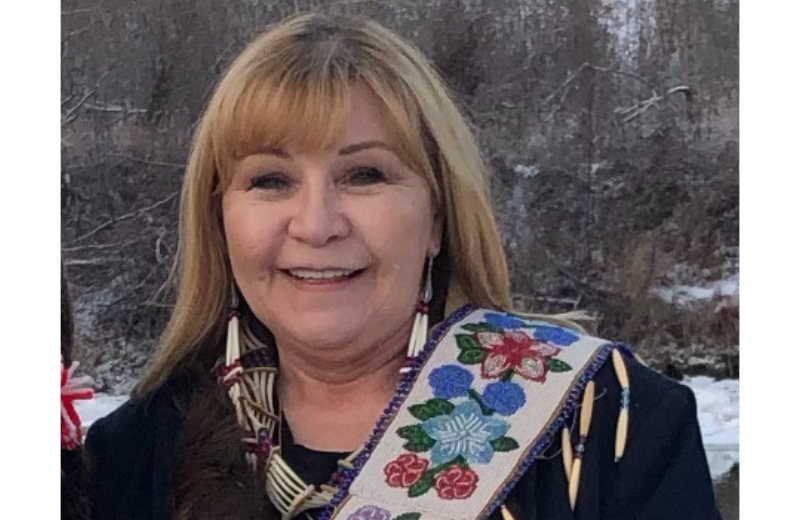
In Fall 2025, Tracy Charles-Smith, Alaska LEND family faculty, was appointed to the U.S. Government Accountability Office's (GAO) Tribal and Indigenous Advisory Council. Ms. Charles-Smith was one of six appointed members. The Council, created in 2022, provides GAO with insights and counsel on matters affecting tribal nations and their citizens and helps inform the agency's future work and priorities in examining federal programs that serve tribal communities and indigenous peoples. |
|
|
|
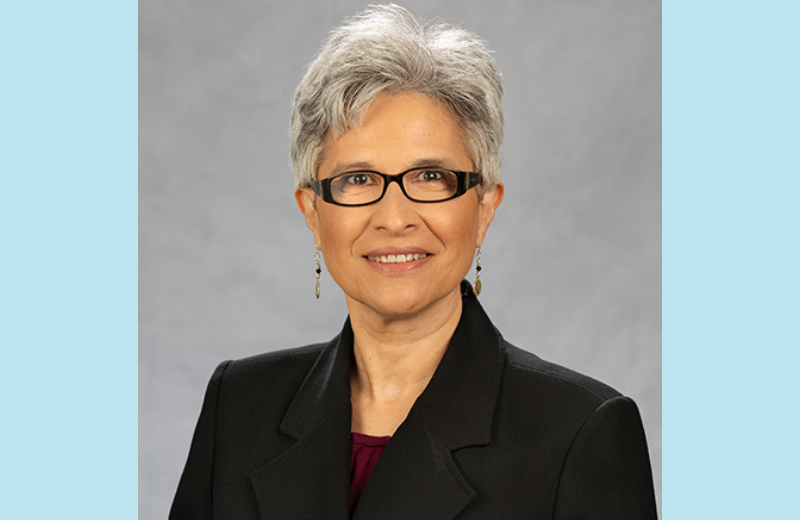
After 26 years of dedicated service, we are honored to celebrate the retirement of Dr. Julieta Hernandez, a deeply respected leader in pediatric social work whose career has had lasting impact on the Mailman Center for Child Development and the communities it serves. Dr. Hernandez joined the MCCD Early Steps program in 1999, where she discovered her passion for infant mental health, a field that became central to her professional identity. Throughout her career, she specialized in supporting the recovery of young children experiencing trauma-related behavioral challenges and neurodevelopmental disabilities, always responding thoughtfully to the evolving needs of the child and their families. Dr. Hernandez is a champion for listening to young children and practicing family centered care.
|
|
|
|
|
|
|
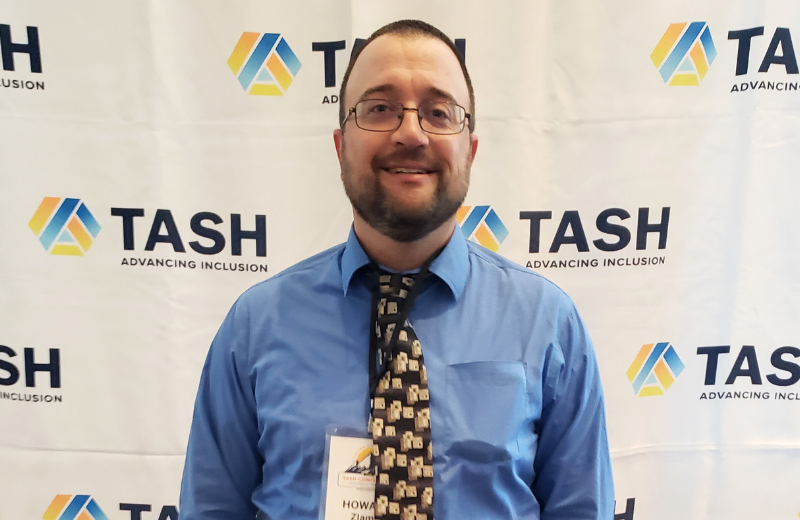
Howard Zlamal is Special Education and Self-Advocacy faculty for the ArizonaLEND program, bringing over 17 years of experience as a Special Education teacher for a local school district in Tucson, AZ. When asked what inspired him to pursue a career in Special Education, Howard's answer was deeply personal: "I get to use my own experiences with a disability to help others. I had many successful moments in the past, so why not help others to reach those good levels of success?" This lived experience has become the foundation for his work, both in the classroom and beyond.
|
|
|
|
The Winter 2026 (Volume 5, Issue 2) of the Developmental Disabilities Network Journal (DDNJ) has been published, highlighting the importance and impact of the Developmental Disabilities Network. The issue received an overwhelming number of submissions, and additional articles will be added on a rolling basis as reviews and revisions are finalized. The editors extend sincere thanks to the journal’s reviewers and editorial team for their critical contributions. Readers are encouraged to explore and share the issue widely to help elevate the work of UCEDDs, DD Councils, and P&As in national conversations about disability services and supports.
|
|
|
|
Plain language is both a tool and a movement. It means speaking or writing so that people understand the first time they read or hear it. It is not just about using short words or sentences. It is about making information accessible. We deserve to understand information about our lives, health, money, and futures. Plain language helps people with and without disabilities understand and remember information. It helps people make their own decisions. Written by Becca Monteleone, University of Toledo in Toledo, Jerry Smith, Institute on Community Integration at the University of Minnesota (ICI MN), and Liz Weintraub, AUCD.
|
|
|
|
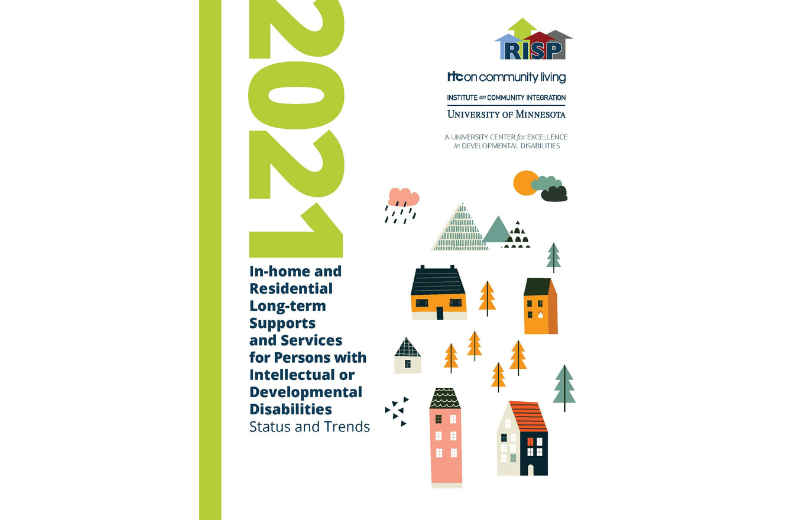
Where do people with IDD live? Nearly two-thirds of people with intellectual or developmental disabilities (IDD) who receive paid services live at home with family members or in their own homes, this report from the Residential Information Systems Project shows. This is a major shift from when people with IDD could only get services in institutions just a few decades ago. Published by the National Residential Information Systems Project (RISP) University of Minnesota, Institute on Community Integration. |
|
|
|
A new five-year project led by Elizabeth Biggs, PhD, assistant professor of special education and a Vanderbilt Kennedy Center (TN IDDRC, UCEDD, LEND) member, is taking on a long-standing gap in early education for children with disabilities who are nonspeaking or have very limited speech. The project, called PATHS to Reading, focuses on helping students in pre-kindergarten through second grade build strong reading and language skills using augmentative and alternative communication (AAC). AAC includes tools such as picture-based systems and speech-generating devices that allow children to communicate when spoken language is difficult or not possible. PATHS stand for Promoting Augmentative and Alternative Communication Based Teaching for High-Impact Early Reading Skills. |
|
|
|
A new study from the Waisman Center at University of Wisconsin-Madison shows that people with disabilities are often left out of health research. Researchers may unintentionally exclude them because they lack training, there aren’t clear guidelines for accommodations, or because ableist attitudes persist in research. |
|
|
|
|
|
|
|
|
Vanessa Macamo, LLM, is a current ArizonaLEND Special Education trainee and a Fulbright Scholar from Mozambique pursuing her PhD in Special Education from the University of Arizona. Before coming to the United States, Vanessa served as founder and principal of a preschool in Mozambique. She recalls the pivotal moment that shifted her path towards doctoral studies: "The turning point for me came when a family asked me to enroll their child with cerebral palsy in my preschool, and I realized we lacked physical accessibility, trained staff, and inclusive practices to properly support him." Rather than turn the family away, she told them, "Let's do this together. I don't have a magic wand, but together we can make it happen." This experience revealed that good intentions alone were not enough—she needed deeper, systemic knowledge in the field. |
|
|
|
Art has long supported expression, connection, and healing. At the University of Arizona, the ArtWorks program within the Department of Family and Community Medicine and the Sonoran Center for Excellence in Disabilities uses creative activities to promote health and community for adults with intellectual and developmental disabilities.
As a trainee in the Undergraduate Certificate in Developmental Disabilities program, Leslie Rivera completed her internship at ArtWorks. She supported an eight module scrapbooking curriculum focused on culture, safety, strengths, and personal growth. She revised materials for clarity and translated them into Spanish to expand access. Her experience strengthened her commitment to inclusive care and highlighted the role art can play in supporting wellbeing in healthcare and community settings.
|
|
|
|
Olivia Evers (MNLEND 2024-25) was part of a team that recently unveiled a refreshed online services directory for Proof Alliance, a Saint Paul organization that works to prevent prenatal alcohol exposure and support people affected by fetal alcohol spectrum disorders (FASD). The Support Services Directory now offers a more functional user navigation system. Evers’ role involved updating service providers on the list who have specialized FASD knowledge.
|
|
|
|
Communication is fundamental for participating in society. Without it, people struggle greatly to get their needs met, interact with others, and be a part of the world around them. Rebecca (Becca) Stroschein, MS, CCC-SLP, speech language pathologist in Waisman’s Communication Aids and Systems Clinic (CASC), realized while volunteering as an undergraduate student at a non-profit for autistic adults, that she held a deep passion for helping others find a form of communication that works for them so that they can have access to their community.
|
|
|
|
Jack Hoselton, a student in the Cutting Edge Program at Edgewood College and a trainee in the Leadership Education in Neurodevelopmental Disabilities program at the Waisman Center, is using his lived experience as a man with autism to strengthen his advocacy for people with disabilities. Through LEND’s interdisciplinary training, he has gained knowledge, confidence, and connections that have expanded his understanding beyond his own experiences and prepared him to advocate effectively at both personal and systems levels. With mentorship and support, he shared his story with Wisconsin legislators during Disability Advocacy Day, highlighting the importance of Medicaid for independence and access to services. |
|
|
|
|
|
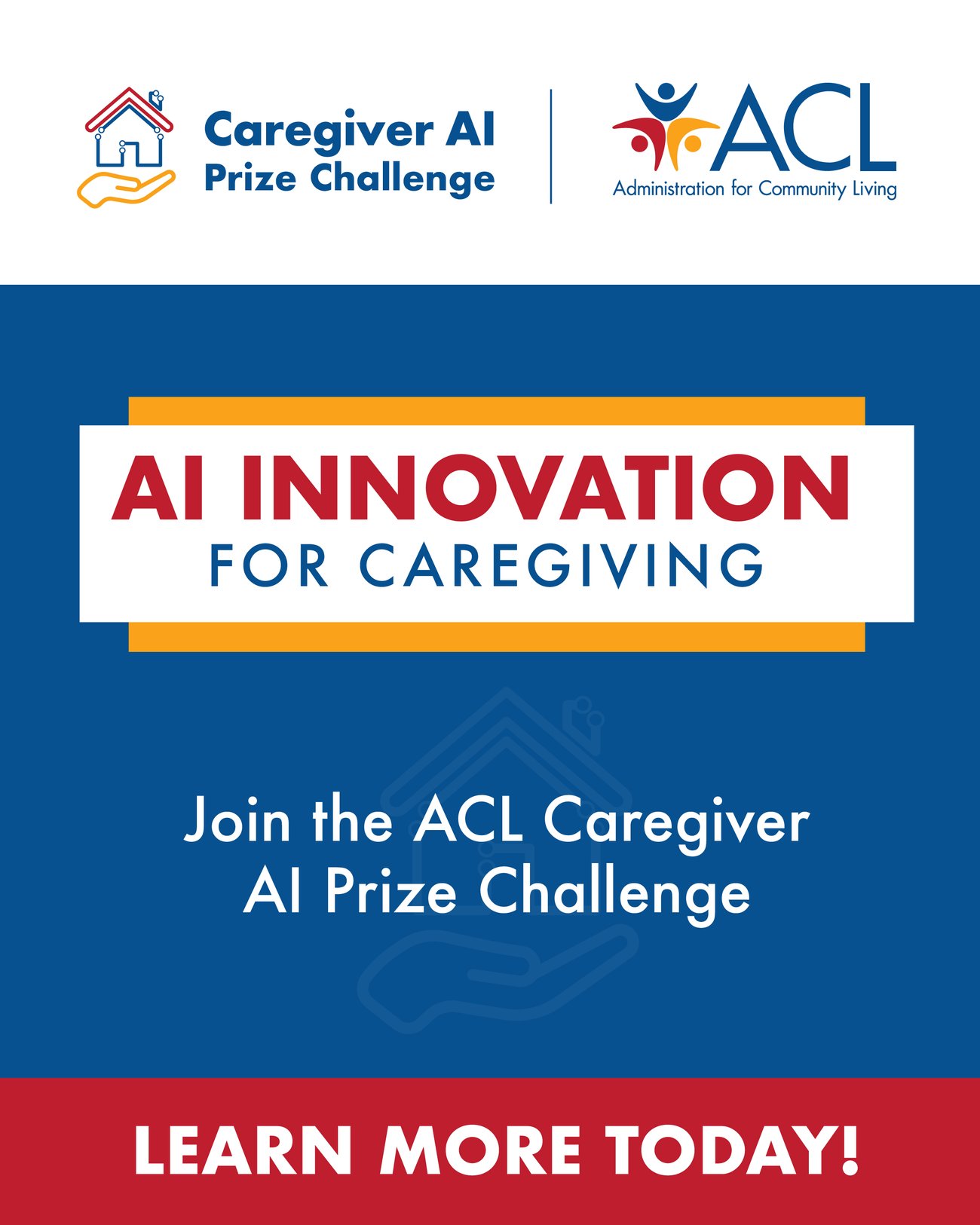
The Administration for Community Living (ACL) invites innovators to take part in the Caregiver AI Prize Challenge, a national challenge seeking affordable, responsible, and ethical AI-enabled solutions that support caregivers and improve quality of life for older adults and people with disabilities. This challenge has two tracks that will run concurrently, aiming to advance AI tools that are practical, ethical, and designed with real-life caregiving experience at the center. Solutions should reduce administrative burden, improve care coordination, strengthen the caregiving workforce, and support caregivers in delivering high-quality care
|
|
|
|
|
|
|
We’re Here. Then, Now, Always. The Evolving Role of DD Councils in Employment
Tuesday, March10, 2026, 3:00 PM - 4:30 PM ET
In recognition of Developmental Disabilities Awareness Month (DDAM), join the Disability Employment Technical Assistance Center (DETAC) for a webinar featuring partners from the National Association of Councils on Developmental Disabilities (NACDD), the Nebraska DD Council, and NACDD self-advocate apprentice, Bryan Dooley. During this session, NACDD will introduce this year’s DDAM theme and explore how DD Councils play a critical role in moving the needle on employment by convening partners, influencing systems, and elevating effective practices through capacity building. The Nebraska DD Council will highlight key state-level initiatives, partnerships, and lessons learned in their work to impact employment outcomes across Nebraska. NACDD apprentice, Bryan Dooley, will also share how councils can meaningfully incorporate lived experience into policy and practice, drawing from his own employment journey. |
|
|
|
Understanding the Links Between Feeding and Sleep Problems in Children on the Autism Spectrum
Wednesday, April 1, 2026, 1:00 PM - 2:00 PM ET
This webinar will examine the complex interplay between feeding difficulties and sleep disturbances in young children with autism spectrum disorder (ASD). Both feeding and sleep problems are highly prevalent in this population, with estimates ranging from 50% to 90%, depending on sample characteristics, assessment methods, and other factors. These challenges often co-occur and may influence growth, metabolic health, and developmental outcomes. The presentation will review common phenotypes of sleep and feeding problems in ASD, explore potential shared mechanisms, and discuss implications for clinical practice and research. |
|
|
|
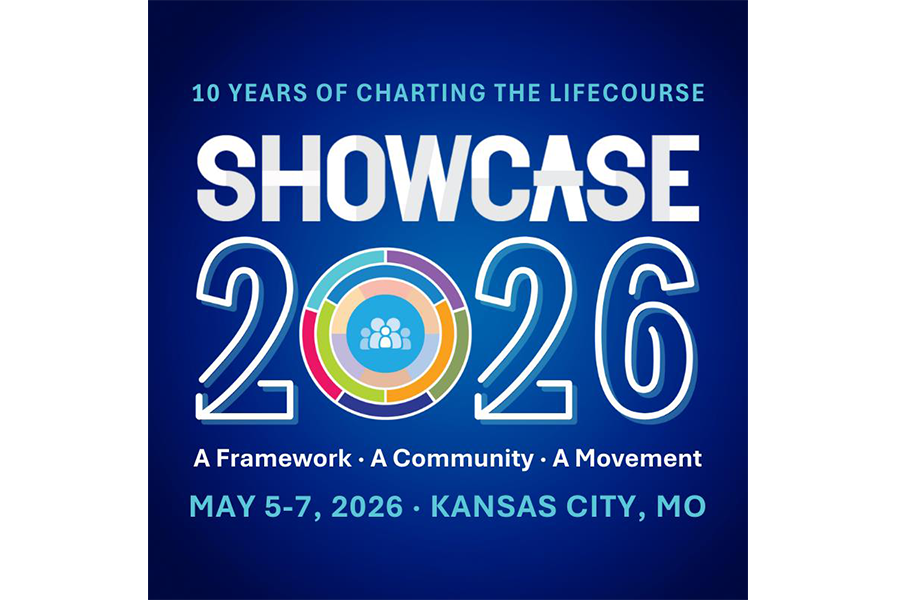
Charting the LifeCourse Showcase 2026
May 5-7, 2026, Kansas City, MO
The UMKC-Institute for Human Development’s LifeCourse Nexus is hosting the 10th Annual Charting the LifeCourse (CtLC) Showcase May 5-7, 2026, at the Westin Crown Center in Kansas City, Missouri. We invite you to Kansas City to celebrate the 10th Annual CtLC Showcase! Together, we will reflect on a decade of growth and impact while continuing to learn how the CtLC framework and principles drive meaningful change in people’s lives |
|
|
|
35th Annual Aging with Developmental Disabilities Conference
May 11-12, 2026, St. Louis, MO
The 35th Annual Aging with Developmental Disabilities Conference, hosted by the Association on Aging with Developmental Disabilities, is a premier two-day event bringing together professionals, advocates, and families to explore best practices in supporting adults with developmental disabilities as they age. The conference typically features expert-led sessions on topics like Alzheimer’s, dementia, health, and advocacy, often held in-person with virtual options. |
|
|
|
|
|
|
Items may be submitted for consideration via the AUCD Public Promotion Page. Submissions are due on the second Friday of the month. AUCD 360 is promoted on the last Friday of the month.
|
|
|
|
|
AUCD | 1100 Wayne Avenue, Suite 1000 | Silver Spring, MD 20910 |
|
|
|
|
|
|
|
|
This newsletter is in part supported by the Administration on Community Living (ACL) through a technical assistance contract for the URC and the Centers for Disease Control and Prevention (CDC) for a National Professional Organization for Persons with Developmental Disabilities. The content of this material does not necessarily reflect the views and policies of any federal agency. No official support or endorsement by federal agencies is intended not to be inferred. |
|
|
| View Online |
|
|
|
|